David Lynch

The Elephant Man
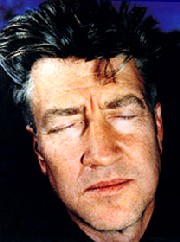
David Lynch
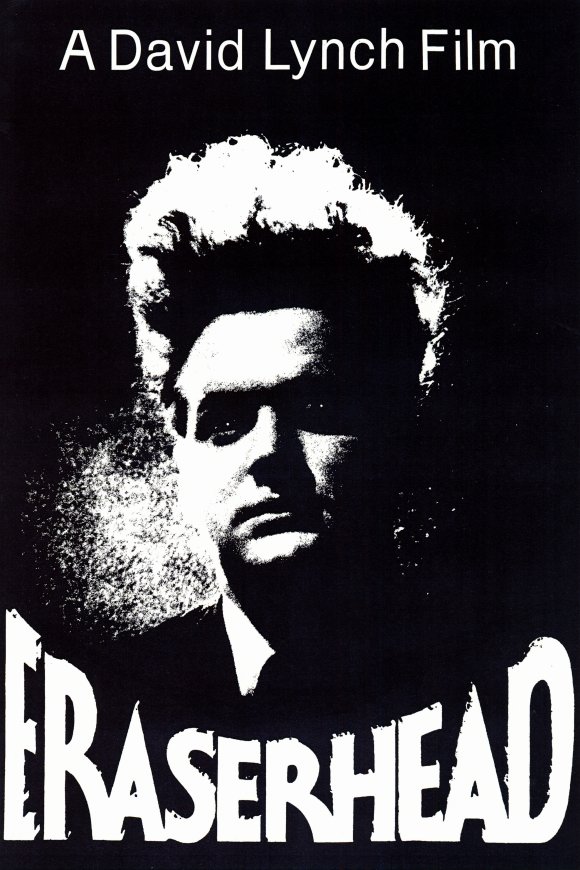
Erasherhead
Biography / Gallery
Early Impressions & The Blue Velvet Revelation
It was in 1986 that I saw Blue Velvet. The occasion stood as the last moment of transcendence I had felt at the movies – until The Piano. What I mean by that is a kind of passionate involvement with both the story and the making of a film, so that I was simultaneously moved by the enactment on screen and by discovering that a new director had made the medium alive and dangerous again. I was the more captivated in that I had not much liked David Lynch's earlier work.
My passion is the more mysterious now because Lynch's later work seemed horribly disappointing and jaded. Come on, let's not beat around the bush: for the most Lynch has been producing crap for the last decade or so. Thus, for the moment at least, Blue Velvet represents the precarious difficulty in making—or seeing (in the sense of recognizing)—great films. Had I blundered into comprehension, or had Lynch drifted into clarity? Did I need a great movie experience in 1986 as much as Lynch, or more? Having made Blue Velvet, did he need to turn his back on the challenging prospect of fusing art and box office?
I ask that because the career of David Lynch seems so intertwined with his foxy sense of himself. At least, it does if one assumes that Lynch understood what he was doing in Blue Velvet. In conversation, he makes every effort to be nonchalant or dismissive of that burden. Why not? It would be as hard to advance on Blue Velvet as it must have been to work after Citizen Kane.
Early Life & Art Foundations
Lynch was the son of a research scientist with the U.S. Department of Agriculture. The family traveled a good deal and that fostered Lynch's love of middle America. By high school, however, they were in Alexandria, Virginia, so Lynch took art classes at Washington's Corcoran School of Art. He then studied painting at the Boston Museum of Fine Arts and at the Pennsylvania Academy of Fine Arts in Philadelphia in the late sixties. He even won a three-year scholarship to Europe, which he quit after fifteen days.
He made a one-minute animated film for a contest while in Philadelphia, and that led him to the American Film Institute, where he made The Grandmother and began Eraserhead. He continues to do some work as a painter and photographer, as can be witnessed on his very hands-on website, where you can buy a signed unlimited Lynch piece for under $500 while for a limited edition piece there is no price and you have to e-mail for details—which is gallery speak for “s##tloads of cash!”
Television, Twin Peaks & Commercial Ventures
He has also, since Blue Velvet, had a TV partnership with Mark Frost for the Twin Peaks venture and for the Fox show American Chronicles. In 1992, another series, On the Air, had a limited network run; and in 1993 Lynch was involved on Hotel Room, a series for HBO. In addition, he has made some television commercials, notably a series for Calvin Klein's Obsession.
Art or Mainstream? A Career of Contradictions
It remains natural, I think, to wonder what Lynch wants. Eraserhead was not just a student film, but as private as any solitary art, like writing or painting. It seemed to indicate someone who saw his future in experimental cinema.
Yet The Elephant Man and Dune were attempts at mainstream movies, no matter how personal or obscure they ended up. The Elephant Man was a prestigious stage play; it had Mel Brooks as a father figure, as well as a solid cast and properly focused pathos. Dune was a de Laurentiis sci-fi epic, taken from Frank Herbert. It cost, and lost, a lot of money. It is often brilliant, but frequently ponderous and unintelligible.
But then the Italian producer let Lynch make Blue Velvet, which kept surrealism, hallucination, and “experiment” in perfect balance with Americana, a simple compelling storyline and the furious gravitational force of a voyeuristic setup. The performances were extraordinary: Dennis Hopper was savage yet lucid; Kyle MacLachlan and Laura Dern were like fairy-tale royalty; Dean Stockwell was uncanny; Isabella Rossellini seemed at last like a naked, forlorn actress.
Twin Peaks, Fire Walk With Me & a Creative Crossroads
Was Twin Peaks a cynical move, or as artistic as Blue Velvet? Was Lynch seeking to cash in, to bring Magritte to the masses? Was he saturating the mass audience, or rebelling against the celebration of Blue Velvet? There were beautiful passages in Twin Peaks (notably those directed by Lynch), but the whole thing seemed a dead end reaching as far as the longest northwestern view. The subsequent movie—Fire Walk With Me—is the worst thing Lynch has done—and I trust, the least necessary or sincere.
The 1990s: Lost Highway, The Straight Story & Mulholland Drive
For the most part, the above was written in 1994, when there was still Lost Highway to come. That film has its devout fans, but I am not one of them. I felt the director was still striving for the natural air of dream—and Lynch seems pretentious when he is straining. Equally, while touched by The Straight Story, I was suspicious of its straight-faced dedication to simple, honest feelings.
But Mulholland Dr. I want to see all the time. This seemed to me, emphatically, a second masterpiece, and the first film in which Lynch's style was so sweet, so serene, that one went with the drive or the dream of the movie without ever feeling those old panicky questions—Where are we going? What is it about? It's about itself and the dual process of dreaming and driving. It’s also one of the greatest films ever made about the cultural devastation caused by Hollywood.
2000s–Present Day: Digital Experiments, Return to Twin Peaks & Legacy
From the early 2000s onward, Lynch embraced digital video with Inland Empire, a sprawling, surreal descent that divided audiences but cemented his interest in artistic freedom over commercial moviemaking. He explored online creativity through his website, daily weather reports, animation, and music releases—work that expanded his cult following even as it distanced him from mainstream cinema.
In 2017, Lynch returned triumphantly to the world of Twin Peaks with The Return, an 18-hour epic widely regarded as one of the greatest achievements in modern television. It merged his lifelong themes—dreams, identity fracture, suburban dread, and transcendence—into a final expression of cinematic abstraction.
In his later years, Lynch continued painting, sculpting, creating music, and teaching Transcendental Meditation through the David Lynch Foundation. His influence only grew, inspiring generations of filmmakers and artists across the world. Though his output slowed, he remained a cultural icon of dream logic, surrealism, and strange Americana—an artist whose best work continues to expand in meaning.
Whatever one thinks of the peaks and valleys, one truth remains: Blue Velvet and Mulholland Dr. stand as giant monuments to the possibilities of film. Lynch may be enigmatic, divisive, and confounding, but his finest achievements will continue to haunt, provoke and inspire for decades to come.
In January 2025, the entertainment world mourned the death of David Lynch at the age of 78. According to official reports, Lynch died on 15 January 2025 in Los Angeles, just days before his 79th birthday, after a long struggle with chronic obstructive pulmonary disease (COPD) compounded by cardiac arrest. His family confirmed the news on his official channels, and tributes poured in from across the artistic community, celebrating his unique and boundary-breaking contributions to film, television, and contemporary art. It was weird in that it touched alot of people, and I mean alot, similar in the way David Bowie's passing touched so many people.
Links
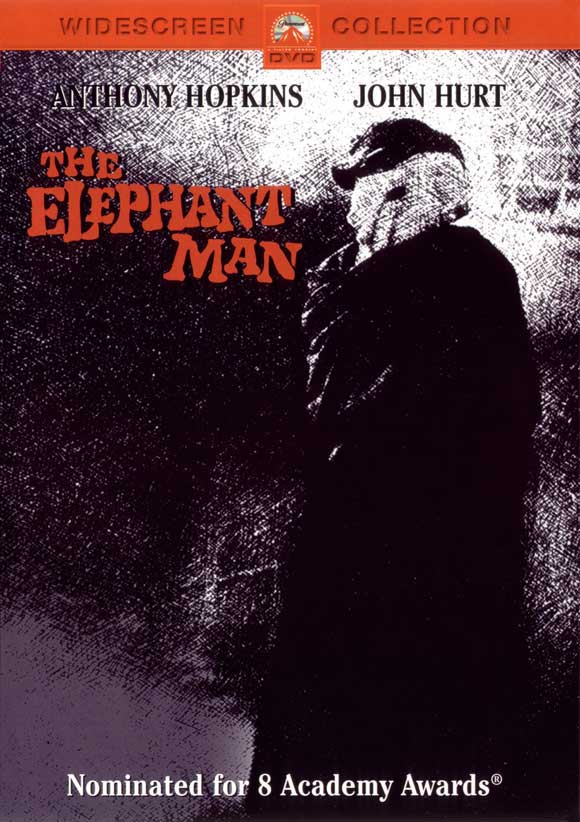


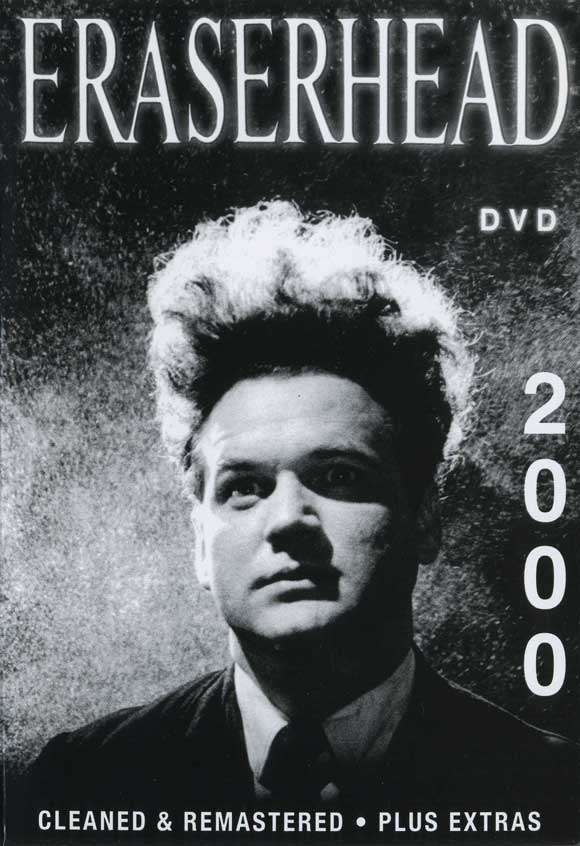
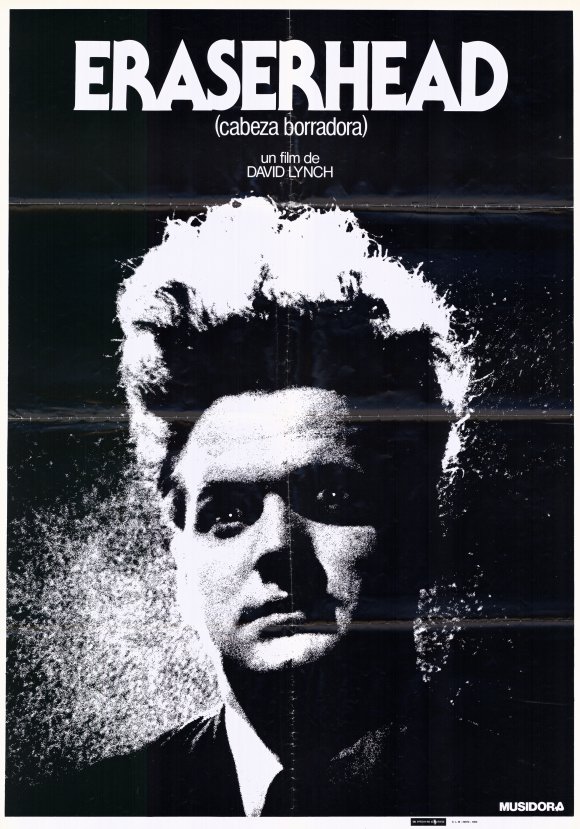
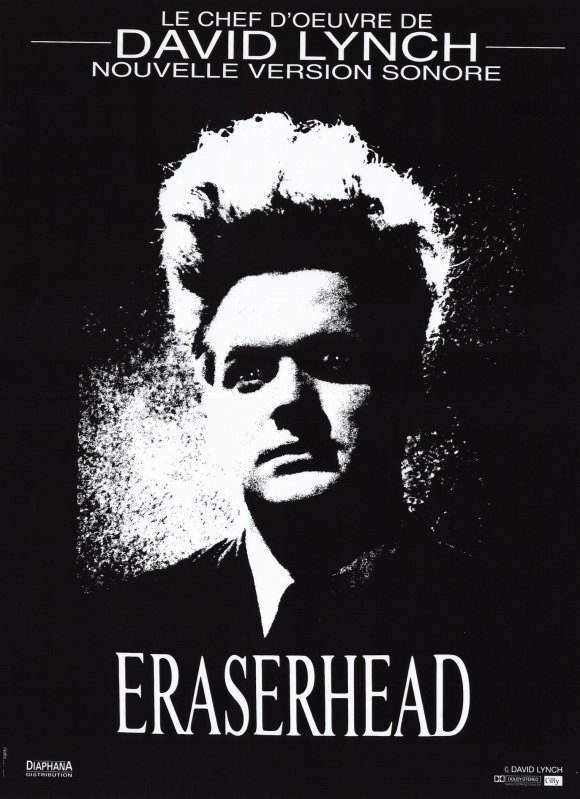
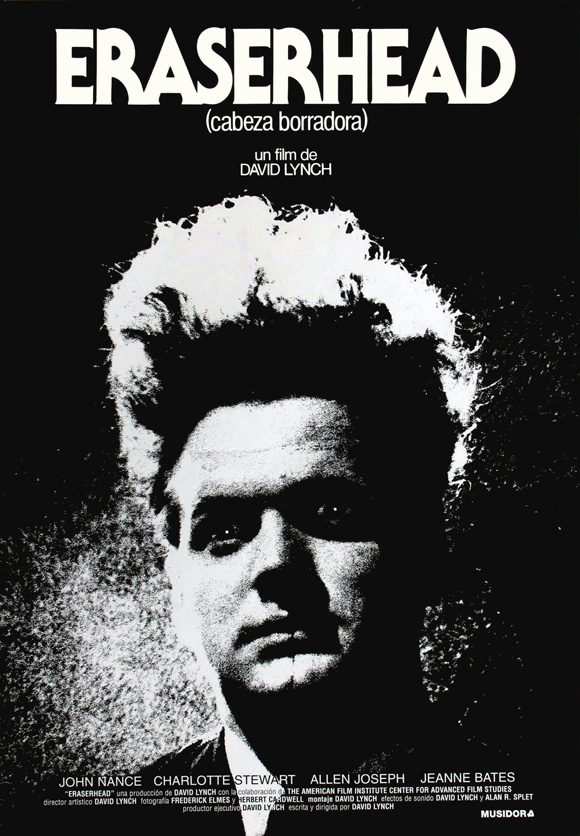
Photo copyright belongs to the respective photographers.
David Lynch signed memorabilia @ eBay UK (direct link)