Irene Dunne
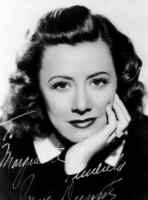
Irene Dunne
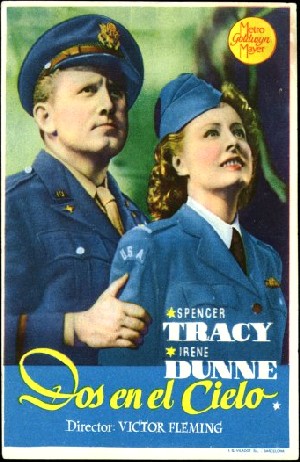
Irene Dunne
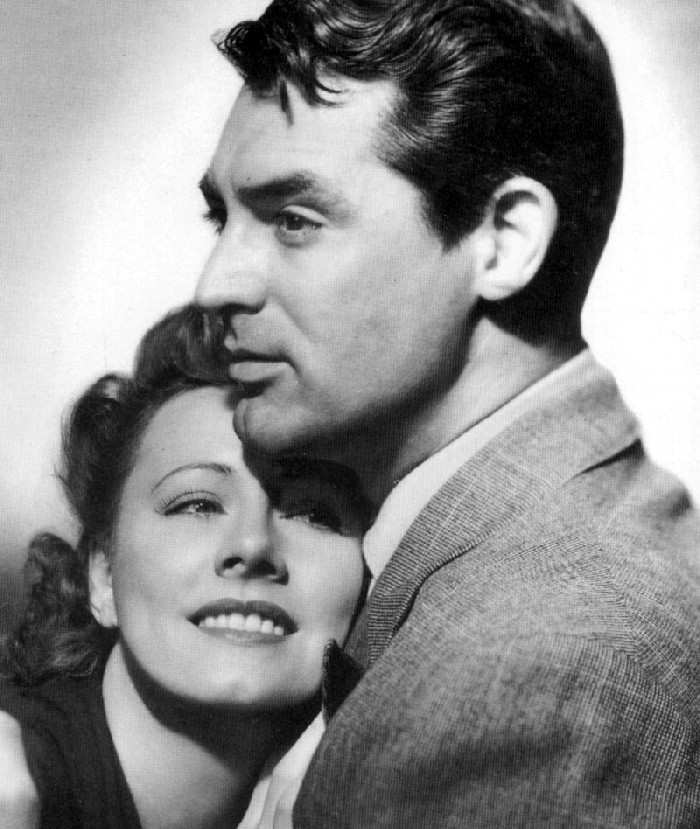
Irene Dunne & Cary Grant
Irene Dunne – Actress (F)
Biography / Gallery
Lenin is a participant in the eBay (EPN) affiliate advertising program.
Irene Dunne (Irene Marie Dunn) 1898-1990
Irene Dunne is an almost forgotten name to today's movie audiences. Indeed, if she is remembered at all it is through the Cary Grant connection. For her contribution to Hollywood's history is but a rumour, a whisper lost in the winds of time. Is that fair? Not really. But Dunne was not a great beauty, or a commanding actress. She was staunch as both Republican and Catholic, and she favored what she regarded as serious roles—drama and weepies—as opposed to the comedies for which she is treasured.
Career Beginnings
Stanley Cavell once wrote of The Awful Truth that: "if one is not willing to yield to Irene Dunne's temperament, her talents, her reactions, following their detail almost to the loss of one's own identity, one will not know, and will not care, what the film is about." Richard Schickel noted: "She always knew how to put a man in her place, but at the same time leave him room to maneuver out of it." Dunne’s age was also remarkable; born in 1898, she was over thirty when she made her screen debut. She studied music, sang in church choirs, and studied at Chicago Musical College before moving into musical comedy.
Rise in Hollywood
By 1930, she was under contract to RKO, initially as a singer. Her first film, Leathernecking (1930), was stripped of its songs. Richard Dix then cast her opposite him in Cimarron (1931), a huge success that set her up as an actress. She worked at RKO in films such as Bachelor Apartment (1931), Consolation Marriage (1931), Symphony of Six Million (1932), and Thirteen Women (1932). Her breakthrough roles came in Back Street (1932) and a series of dramatic and challenging parts.
Musicals and Comedies
Dunne expanded into musicals with Stingaree (1934), Sweet Adeline (1935), Roberta (1935), and Show Boat (1936). She revealed a great comic talent in Theodora Goes Wild (1936). Paramount’s High, Wide and Handsome (1937) and Columbia’s The Awful Truth (1937) followed, earning her a third Oscar nomination. By now she was established in musicals, melodramas, and high comedy—a versatility that few rivals matched.
Late 1930s – Early 1940s
During this period, Dunne appeared in Joy of Living (1938), Invitation to Happiness (1939), Love Affair (1939), When Tomorrow Comes (1939), My Favourite Wife (1940), and Penny Serenade (1941). These roles cemented her status as a leading actress in romantic and dramatic films.
World War II Era and Later Films
During World War II, she starred in A Guy Named Joe (1943), which was later remade by Steven Spielberg as Always (1989). She continued with The White Cliffs of Dover (1944), Anna and the King of Siam (1946), Life With Father (1947), and I Remember Mama (1948), earning a fifth Oscar nomination. After It Grows on Trees (1952), she retired from film and pursued politics and business, including serving as alternate delegate to the United Nations and on the board of Technicolor.
Legacy
Dunne was rescued from obscurity in the 1970s when the American Film Institute and the Los Angeles County Art Museum screened her classic work. Though too ill to accept her Kennedy Center Honors in 1985, her fans saw the ceremony as vindication and a reminder of her enduring versatility and contribution to Hollywood.
Links
Lenin is a participant in the eBay (EPN) affiliate advertising program.


Photo c. belongs to the various photographers
Irene Dunne signed memorabilia @ ebay.co.uk (direct link to autographs)